You’re building a life. Let’s make sure your financial plan is keeping up.
I help you bring your money, protection, business and retirement plans into one clear strategy — so you can see what matters, decide what comes next and keep moving.
What are you thinking about right now?
Start with the question that sounds most like you. We can work out the solution from there.
I want to get my finances organised.
I want to see what is working, what may be missing and what deserves attention first.
Start with clarity →I want to protect the people and things I’ve worked for.
I want to know that my income, family, home and other assets are properly protected.
Explore protection →I want to know if I’m really on track for retirement.
I want to know what retirement may require — and what I should be doing now.
Check retirement readiness →I own a business.
I want to protect more than the building — including the people, income and operations the business depends on.
Explore business protection →Good advice shouldn’t disappear after the meeting.
See the full picture before rushing into products or decisions.
Focus on what matters now instead of trying to fix everything at once.
Turn ideas into next steps and revisit the plan as life changes.
What working together looks like
I help you move from uncertainty to action — clearly, practically and one step at a time.
Where are you now? What matters to you? What do you already have in place?
We identify what deserves attention first. You do not have to solve everything at once.
We turn the conversation into clear recommendations and practical next steps.
Decisions, applications, follow-ups and next actions do not simply disappear after the meeting.
Your income, family, priorities and business can change. Your plan should be able to change with them.
Your financial life works together.
Think of your financial life like a stool. It is meant to give you support, security and stability.
The weight it carries is your life — your needs, goals, family responsibilities and future plans.
A stool depends on its legs. So does your financial life: Life Insurance on the left, Income in the centre, and Savings & Investments on the right. Each carries a different part of the load.
When all three are built well, they can support growth and absorb pressure. When one is weak or incomplete, an illness, injury, income disruption or family need can expose the imbalance quickly.
The goal is not simply to have insurance, earn an income and save. It is to build all three legs well enough to support the life you are actually trying to live.

Balanced & growing
All three legs are doing their job: Life Insurance protects, Income supports today, and Savings & Investments build tomorrow.
Traditional understanding
Income and savings may be growing, but Life Insurance is underbuilt. The imbalance can stay hidden until a serious illness or injury puts pressure on the plan.
Russian roulette
Some pieces are in place, but not enough to create confidence. The plan is still exposed because the three legs are only partially built.
To find out what areas are needed to create a balanced and growing portfolio, book a financial review session with Tennille.
No two financial plans are the same. Your plan should reflect your goals, your lifestyle needs and the people who depend on you.
Book a Financial ReviewClarity starts with knowing where you stand.
Choose the question you want answered. Each tool helps you see your next step more clearly.

1-Minute Financial Check
How strong is the financial structure underneath your lifestyle?
Show Me Where I Stand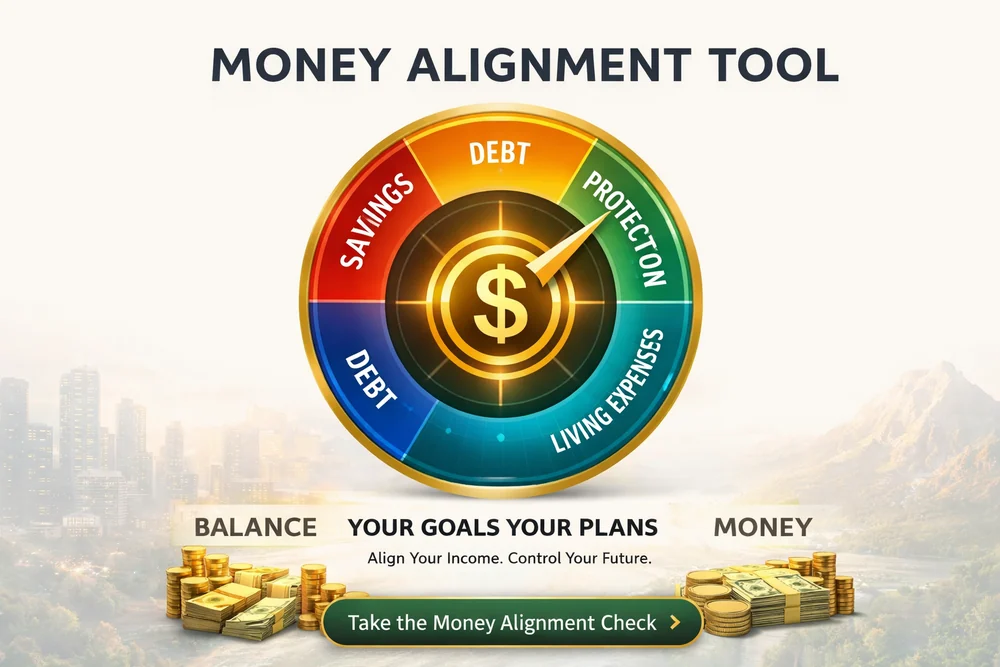
Money Alignment Tool
Is your income actually moving you toward the goals that matter to you?
Check My Alignment
Freedom Forecast™
Could the retirement income you’re building support the life you actually want?
Pressure-Test My Future
Get Reality Checked
What might you be putting off that becomes harder — or more expensive — later?
Give Me the Reality CheckProtection should match what’s actually at risk.
Different parts of your life create different risks. Start with what could be lost — not with a product.

Protect the income and people your life depends on.
Different forms of cover solve different problems. The real question is whether your protection matches the responsibilities you carry.


Your home deserves more than an automatic renewal.
Building costs rise, homes change and contents accumulate. Your insured value should keep up.

You may have insured the building. Have you protected the business?
A business has more to protect than its building. Stock, equipment, income, employees, customers and the owner can all create different exposures.

A strong business protects the people who keep it moving.
Group insurance and employee benefits can protect the business while giving employees greater financial security.
Do your clients need help protecting a home, property or business?
I welcome referral relationships with professionals whose clients are making important property, business and financial decisions.
You don’t need to become an expert to make a better decision.
You only need enough clarity to ask better questions, recognise what deserves attention and understand why a recommendation matters.
A quick thought from Tennille
“Most financial gaps are not caused by a lack of care. They happen because no one helped connect the pieces.”
Start with My Financial ReviewWhy does rebuilding value matter?
If my business building is insured, what could still be exposed?
I already have life insurance — why review it?
When should I start thinking seriously about retirement?
What happens after I complete a review or use a tool?
Advice should leave you clearer, not more overwhelmed.
“Good financial advice should leave you clearer — not with another folder you never look at again.”
I work with professionals, families and business owners to connect the important parts of their financial lives: income, savings, protection, retirement, property and business risk.
My approach is practical: understand where you are, identify what matters most, then turn that into decisions you can act on — with enough education to understand why each step belongs in your plan.
I work at Guardian Group of Companies and am licensed with the Central Bank of Trinidad & Tobago for Life, Health, Pensions and General Insurance.
Latest From The YGYP Journal
Clear thinking about money, protection, retirement and the bigger financial picture — grounded in real life and a Trinidad & Tobago perspective.

The Economy Doesn’t Care About Your Plan
Your goals are personal. The forces acting on them are not. You made the budget. You calculated the mortgage. You started investing. You decided…
Read the Story
The Asset Is You
We understand why we insure the things we build. But behind the house, the investments, the business and the plans is a human being…
Read the Story
Stop Saving Money. Start Giving It Jobs.
You have TT$40,000 saved. Good. Now let me spoil the celebration with a slightly more difficult question. What is the TT$40,000 actually for? If…
Read the StoryResources for the next part of your journey.
Learn what you need. Reflect on what matters. Then act when you are ready.
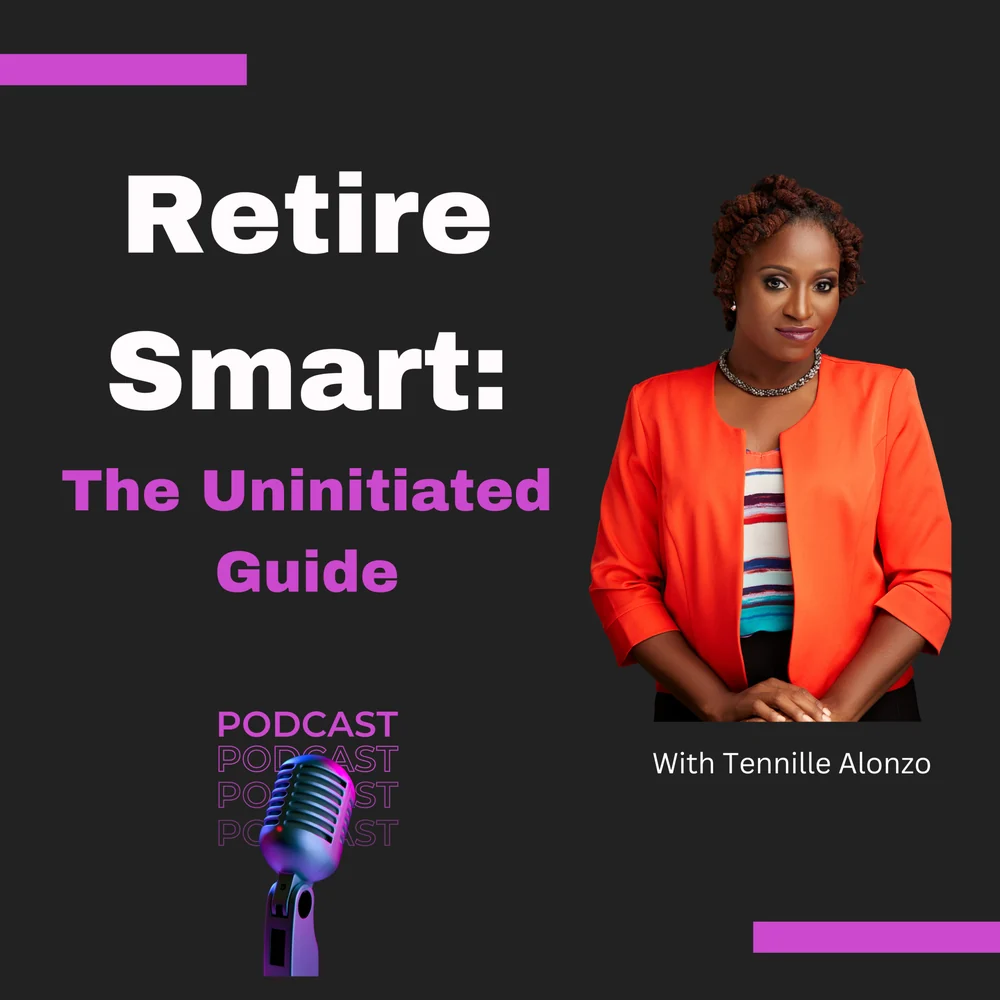
Retire Smart
Practical conversations about retirement readiness, protection and making stronger decisions before delay becomes costly.
Watch & Listen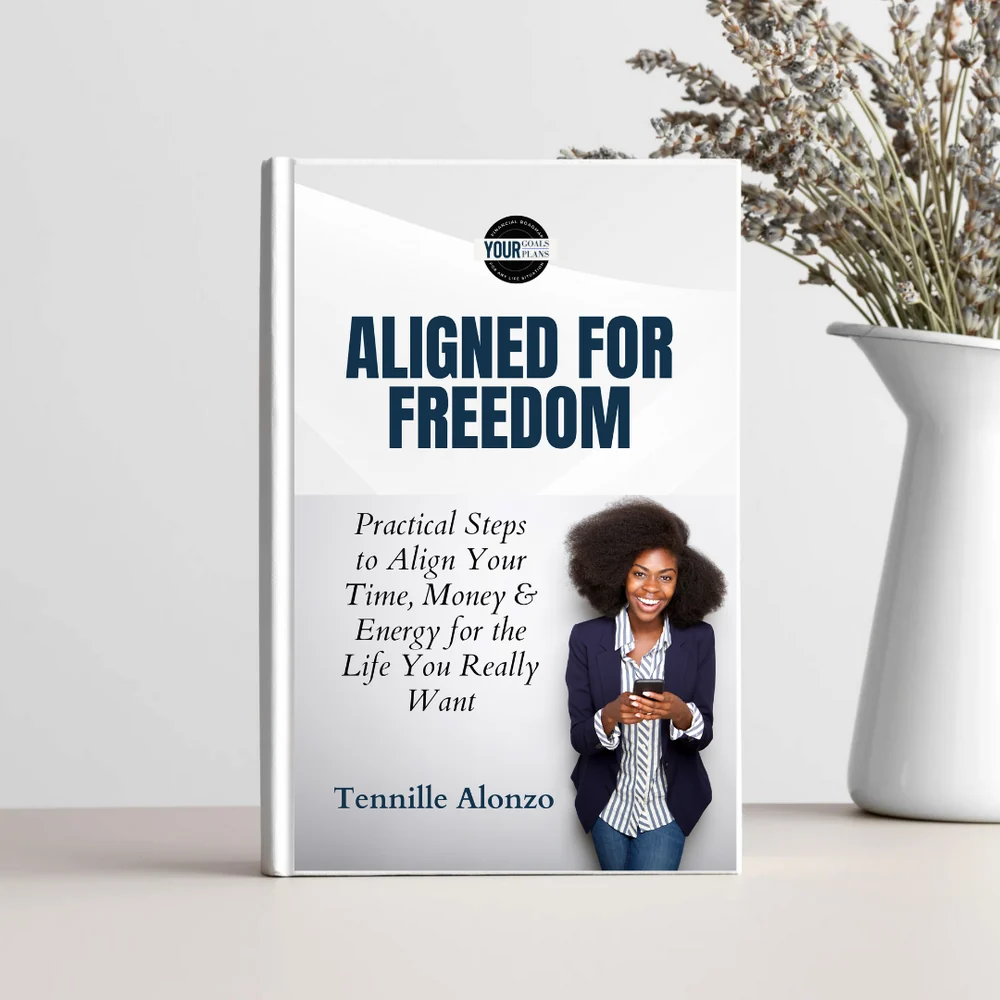
Aligned for Freedom
Practical ideas for aligning your time, money and energy around the life you want to build.
Explore the Book
Retire Ready
Tools, education and structured support for building a more intentional retirement strategy.
Explore Retire ReadyYou don’t have to fix everything today. You just need a clear next step.
Start with a quick tool, complete the Financial Review, or talk to me about the area that needs attention now.